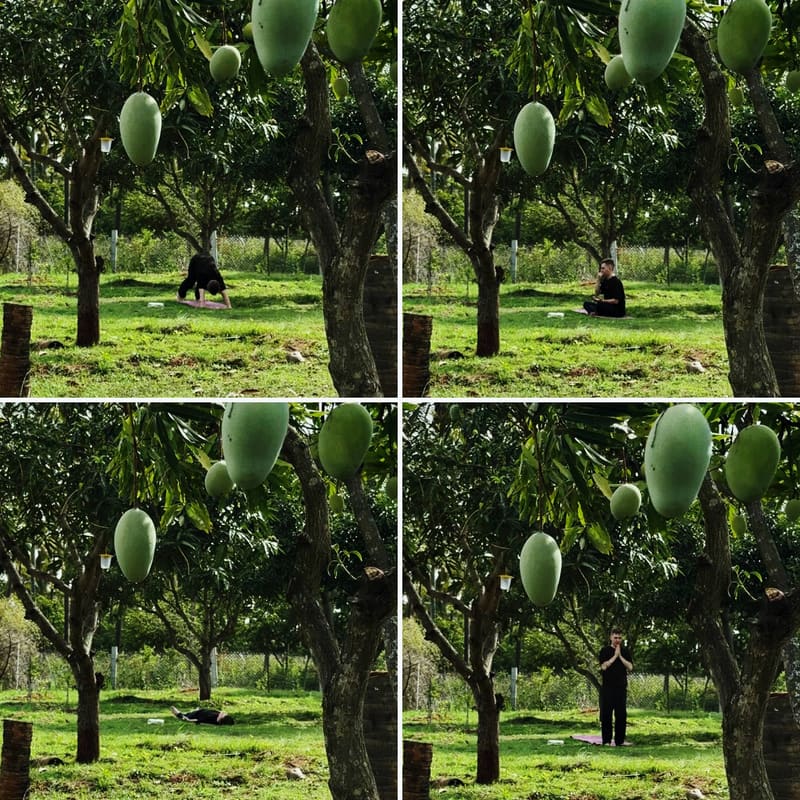
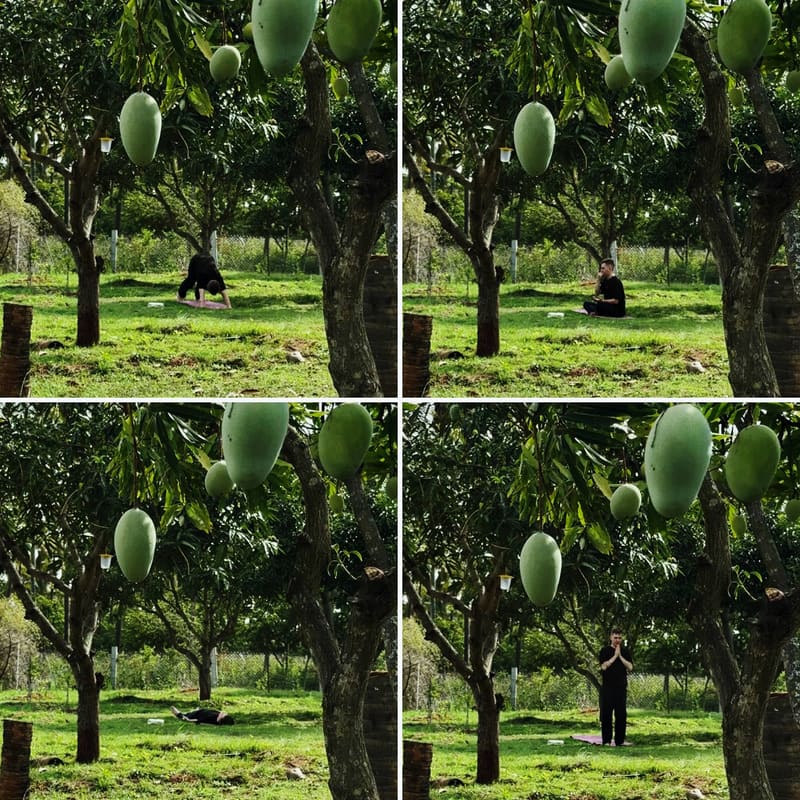
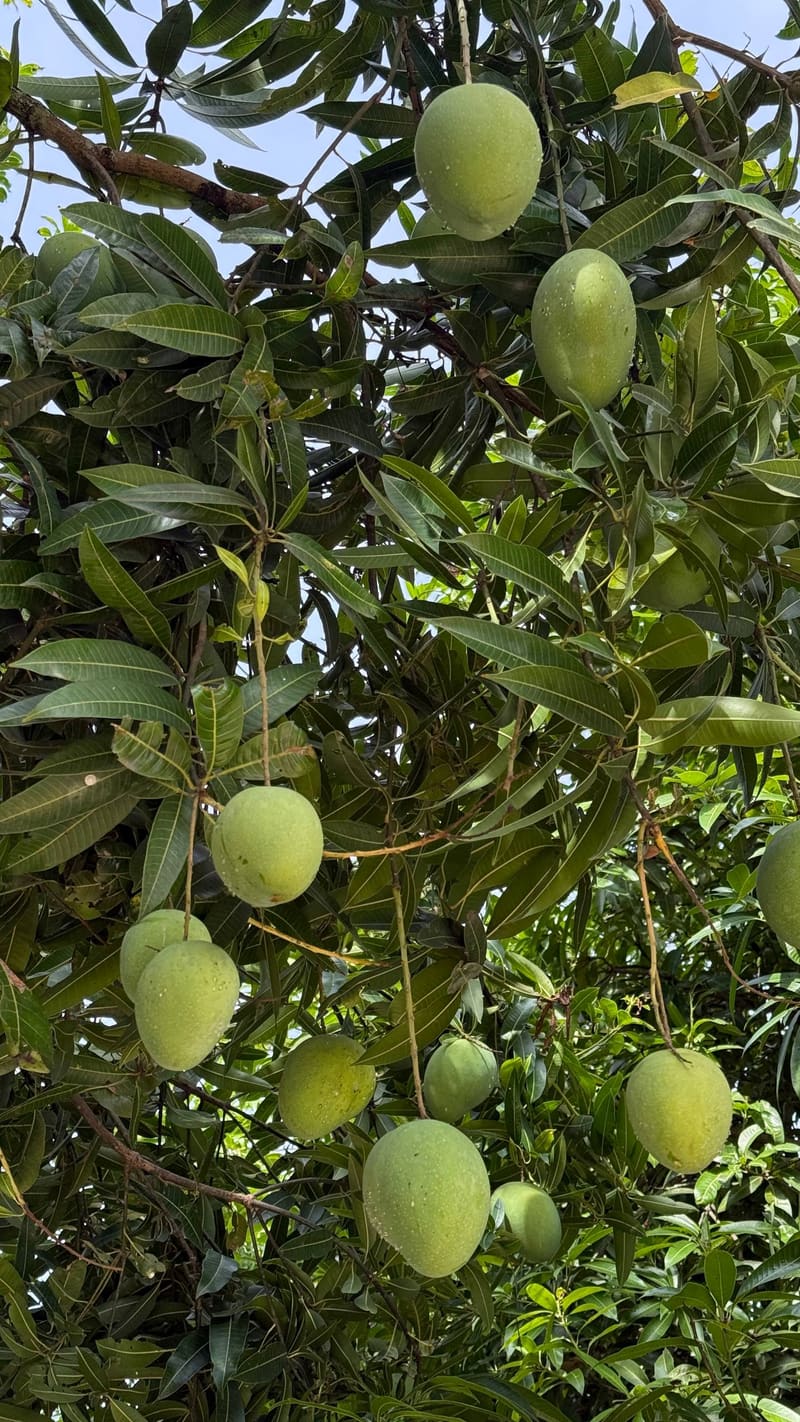
To be completely honest, I’ve only been practicing yoga for about two months. On International Yoga Day, June 21st, I found myself practicing on a beautiful mango farm, and I even managed to bring a few ripe fruits back home with me.
But physical exercise is just one-eighth of a massive, beautiful system of self-discovery. Over two thousand years ago, the sage Patanjali described Ashtanga Yoga: 8 limbs (or stages) that lead a person to inner harmony, clarity of mind, and true freedom.
Living here in India and building my projects, I am reminded every day that real yoga doesn’t start in the gym—it starts in our minds and in our daily choices. Let’s break down this ancient path into meaningful, practical concepts for the modern professional.
The 8 Limbs of Yoga: A Survival Guide for a Chaotic World
1. Yama (The World Around Us) Universal ethical principles. It all begins with Ahimsa—non-violence and respect for all living things. In business and life, this means building relationships out of love and support, rather than aggression and manipulation.
2. Niyama (The World Within Us) Rules for personal purity and discipline. This is our “internal audit”: honesty with oneself, self-discipline, and the ability to be grateful for what you already have, instead of constantly chasing “more.”
3. Asana (Posture) The physical practice everyone knows. Its true purpose is not flexibility for the sake of a pretty social media photo, but creating a strong, healthy body capable of handling any mental stress.
4. Pranayama (Breathwork) Managing your energy through breath. If you feel like you’re boiling over from stress or drowning in deadlines, this is the best way to calm the chaos in your mind in just a couple of minutes.
5. Pratyahara (Turning Inward) The ability to detach your attention from external distractions. In the 21st century, Pratyahara is our ultimate digital detox: the capacity to put away your smartphone, turn off notifications, and simply be in silence.

6. Dharana (Concentration) Training the mind to hold focus on a single task. The ability to avoid escaping into the past or worrying about the future is a modern-day superpower.
7. Dhyana (Meditation) A state of deep stillness. A time when the endless stream of thoughts finally slows down, and the mind becomes as clear as a mirror.
8. Samadhi (Liberation / Oneness) The peak of the journey. A state of absolute awareness, inner freedom, and complete harmony with everything around you.

How and Why Use This If You’re Not a Yogi?
Yoga philosophy is a powerful tool for both work and life.
For instance, when you build a business on the principles of Ahimsa—out of respect for your clients rather than through aggressive marketing—the company gains an entirely different level of value. Or, when you feel burnout creeping in and head to the mountains for the sake of Pratyahara to finally turn off the mental noise, reset your head, and come back with fresh ideas.
Yoga was born as a science of human nature and the pursuit of inner freedom. And 2,000 years later, it is more relevant than ever in a world where stress has become our default operating mode.