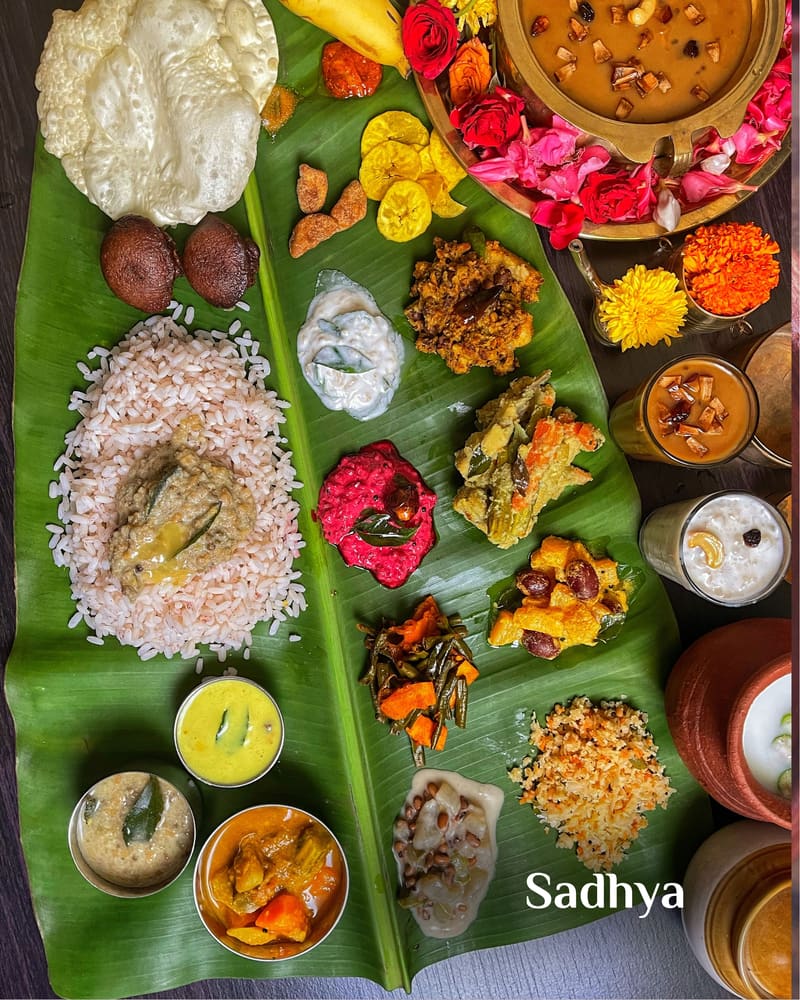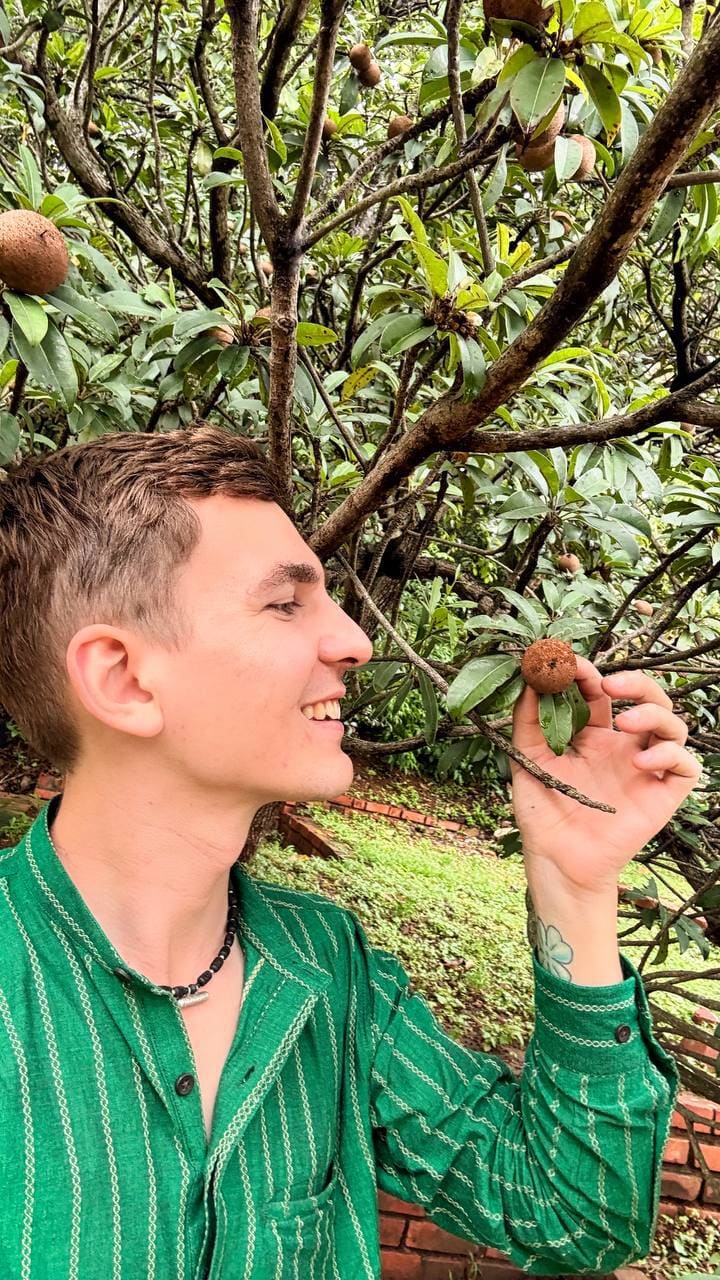
Contrary to popular belief, India is not a completely vegetarian country. However, it is perhaps the only place in the world where choosing not to eat meat has become an absolute cultural norm. While a vegetarian in Russia often feels like an exception to the rule, here the situation is exactly the opposite.
Wherever you go, the environment is already tailored to your needs. Package labels in supermarkets always feature clear green or red dots. In absolutely any restaurant, regardless of its cuisine, the menu is strictly divided into vegetarian and non-vegetarian sections. Whether you order Japanese sushi, American burgers, Italian pizza, or Chinese noodles, half of the options are guaranteed to be plant-based. Even massive global fast-food chains completely revamp their menus to fit the local culture.
Four Perspectives on One Plate
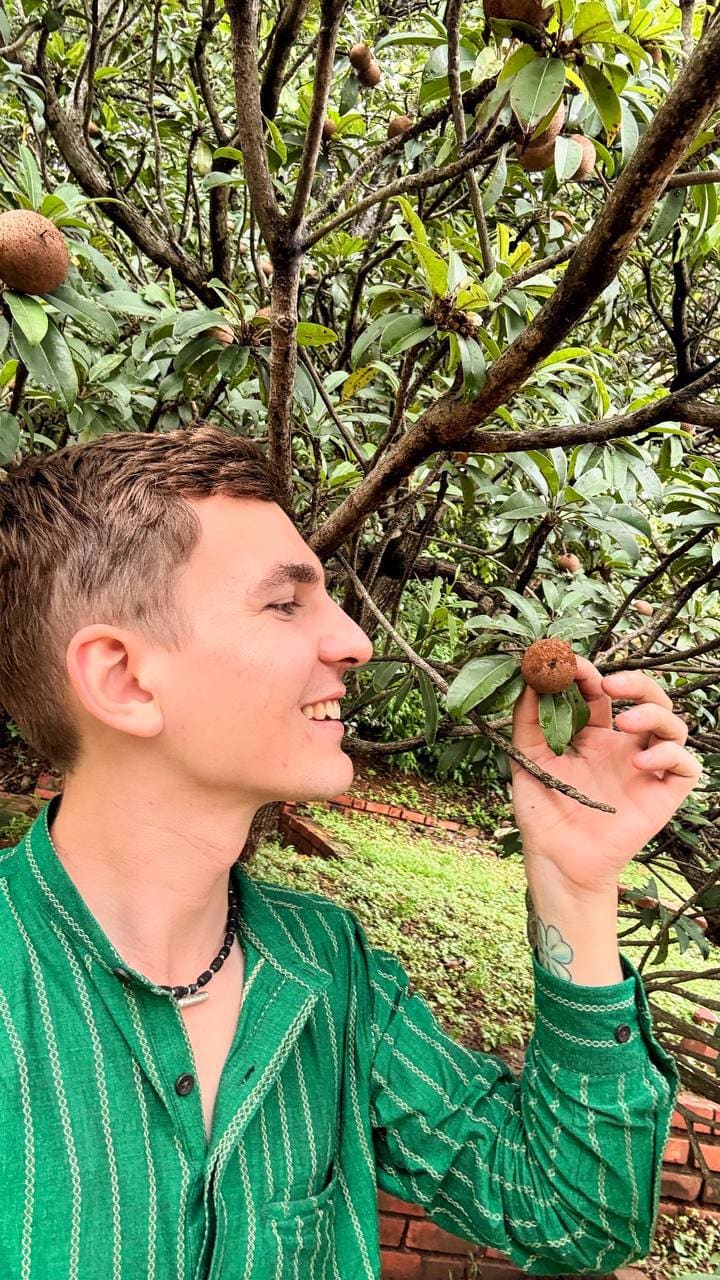
That said, the forms of vegetarianism in India vary greatly. The most popular option is lacto-vegetarianism. Locals do not eat meat, fish, or eggs, but happily consume milk, yogurt, traditional paneer cheese, and ghee. There are also eggiterians, who make an exception for eggs.
Then there is the strict Jain diet, which excludes not only meat but also all root vegetables, including onions and garlic, to avoid accidentally harming small living creatures during harvest. Meanwhile, many Indians practice periodic vegetarianism, meaning they abstain from heavy meat dishes only on certain days of the week or during major festivals.
My Personal 180-Degree Turn
My personal journey began in 2022 when I arrived in India and completely gave up meat. Back when I lived in Russia, I had been harboring this intention for a long time and tried fasting, but logistically, making the switch was quite difficult for me.
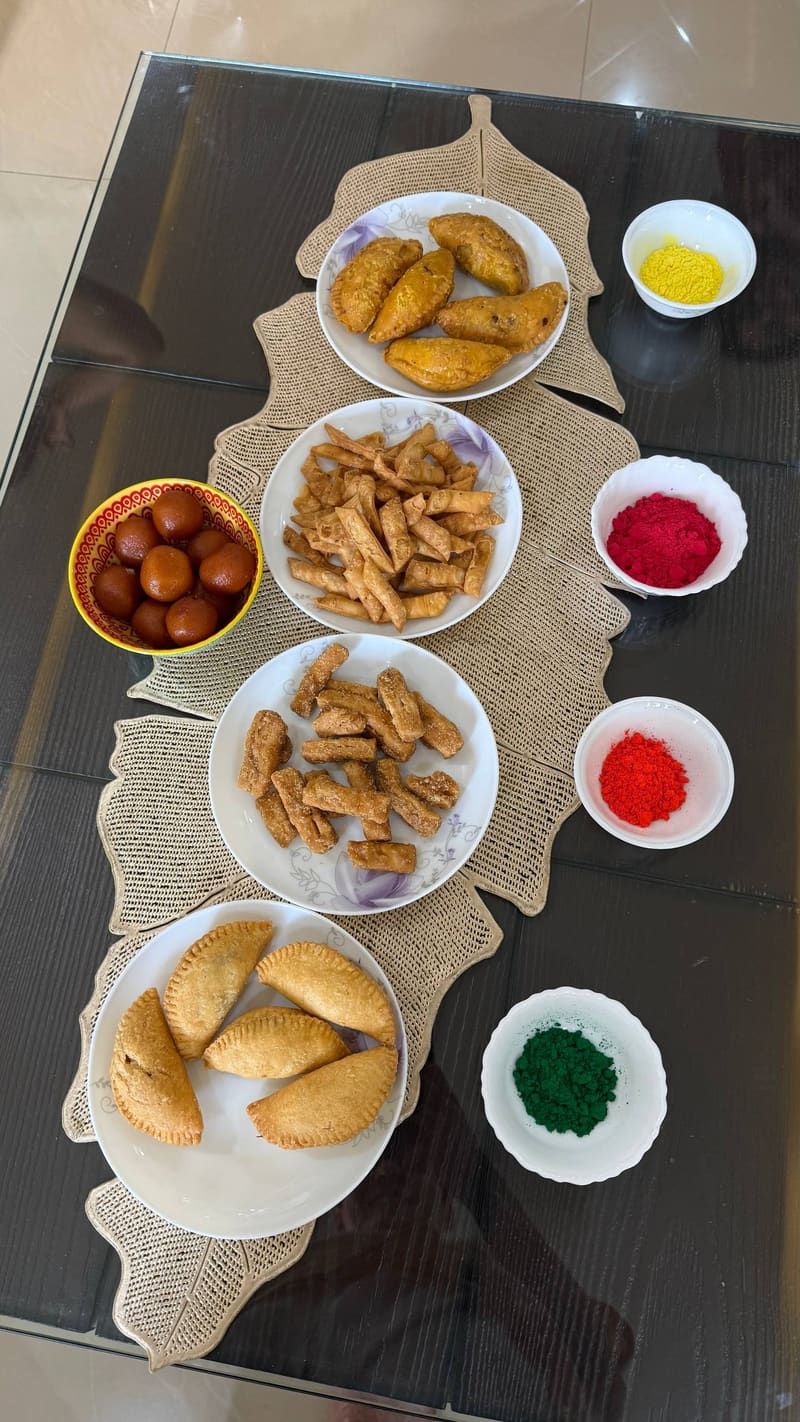
India completely transformed my perception of food. It was here that I realized vegetarianism is not about deficiency or constant restriction in a “forbidden to me” kind of way. It is simply a different, incredibly rich perspective on eating, where meat-free food surprises you every day with an abundance of vibrant flavors.
The Philosophy of Pure Energy
Of course, this phenomenon has deep historical roots. For millions of people here, it is neither a passing trend nor a temporary diet; it is an essential part of their worldview. It grew out of the ancient concept of ahimsa—conscious non-violence—which permeates all local philosophy. The core idea is very simple: to cause as little suffering as possible to the surrounding world.
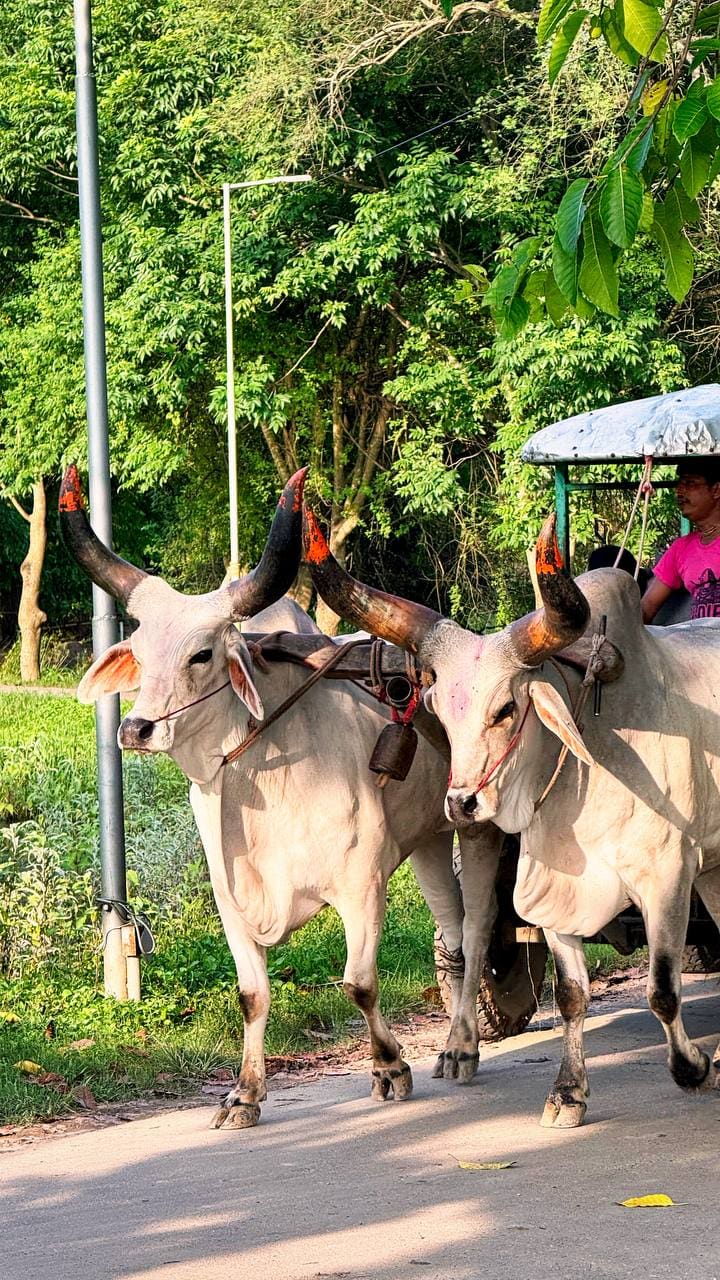
Spiritual tradition teaches that food carries a certain subtle energy and directly shapes our consciousness. Meat inevitably holds the energy of fear and pain that an animal experiences before it dies, and this particular thought has always resonated with me the most.
When the Abstract Becomes Alive
If we look past the complex philosophy, vegetarianism for me today has become, above all, about a profound respect for life. In India, you constantly encounter animals face-to-face; they cease to be a mere abstraction. Majestic cows rest in the middle of busy streets, monkeys run across temple roofs, and dogs sleep peacefully by shop entrances.
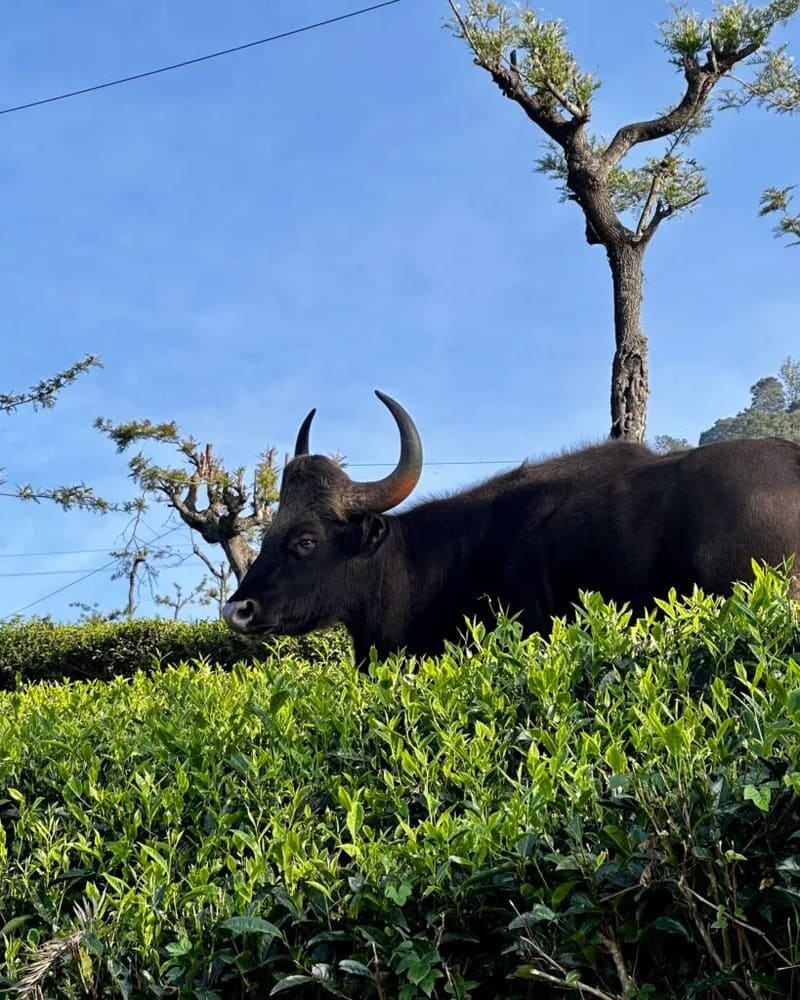
When you look a living cow in the eyes every day, something inside changes irreversibly. You stop seeing her as a product and begin to perceive her as a living being with her own character, fears, and attachment to life, much like a pet cat or dog.
Freedom Over Restriction
Giving up meat became the easiest and most natural ascetic practice of my life. The transition happened entirely on its own, without any struggle or sense of discomfort. Spiritual practice is often built on letting go of things that trigger excessive passions within us.
By removing these factors from our lives—be it alcohol or heavy food—we suddenly begin to discover much purer sources of energy and happiness from within. Ultimately, everyone has their own unique path, circumstances, and worldview, but this is exactly how my experience unfolded.