When people think of India, tea is usually the first thing that comes to mind. Yet in the country’s south, a vibrant and rapidly evolving coffee culture is flourishing. Indian specialty Arabica has long outgrown old stereotypes and now competes confidently with some of the world’s finest coffees.
India’s Main Coffee Regions
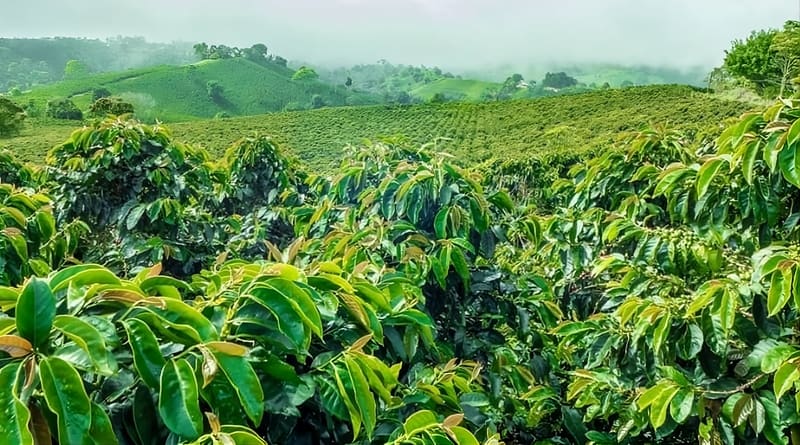
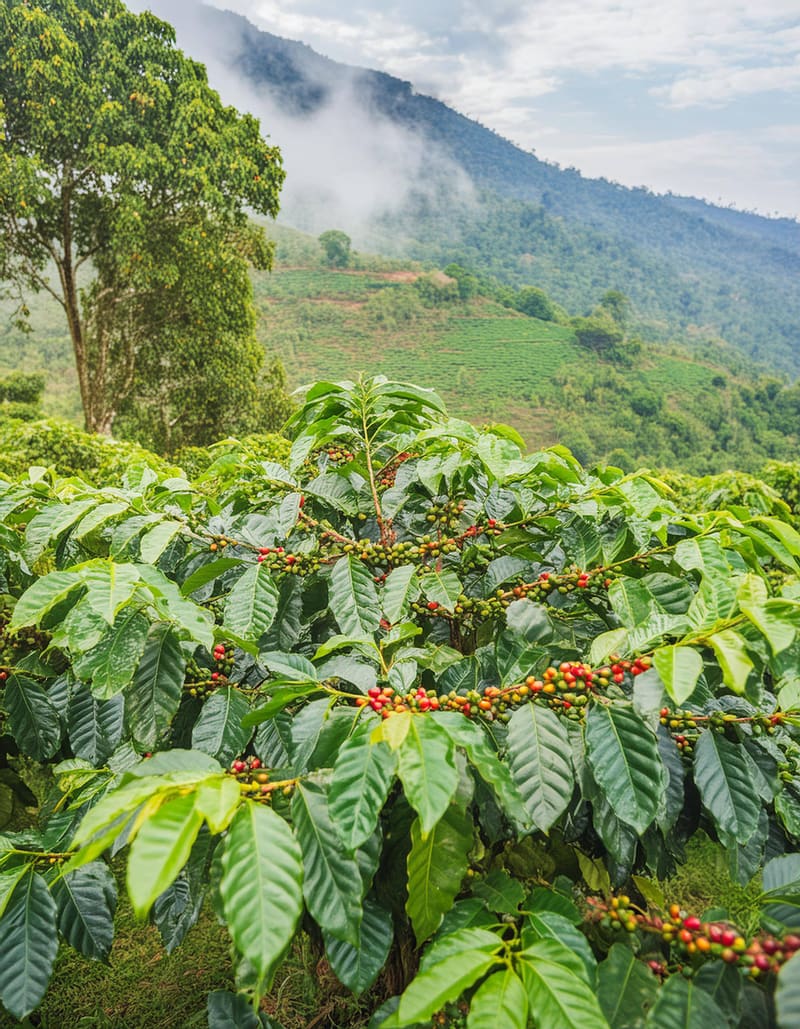
Unlike many coffee-growing regions around the world, where coffee trees grow in neat rows under the blazing sun, coffee in southern India is traditionally cultivated using a two-tier shade-growing system beneath towering centuries-old forest trees. This slow-ripening process allows the cherries to develop greater complexity, resulting in beans with remarkable depth of flavor.
Most of India’s coffee production is concentrated in three key regions.
Coorg Plantations
Nestled in mist-covered hills just a five-hour drive from Bangalore, Coorg is often called the “Scotland of India” for its rolling green landscapes. Coffee from this region is highly prized for its exceptionally smooth, balanced profile, featuring rich notes of chocolate and roasted nuts with a velvety finish.
Chikmagalur Plantations
Chikmagalur is considered the birthplace of India’s coffee industry. According to legend, in the 17th century the Sufi saint Baba Budan secretly smuggled seven green coffee beans from the Yemeni port of Mocha by hiding them in the folds of his robes—a daring act, as exporting unroasted coffee beans was punishable by death at the time. He planted them in the hills of Chikmagalur, laying the foundation for India’s coffee tradition. Today, the region’s high-altitude beans are known for their full body, complex aroma, and remarkable depth.
Araku Valley Plantations
High in the mountains of Andhra Pradesh lies the unique Araku Valley. Once isolated from the outside world, the region has been transformed through a large-scale social and environmental initiative that brought together thousands of indigenous Adivasi farmers. Today, Araku produces exceptional organic specialty coffee that has earned international recognition and helped establish India as a serious producer of world-class Arabica.
From Commodity Blends to Monsooned Malabar
Historically, around 70% of India’s coffee production was exported. For decades, much of it was used as a base for inexpensive commercial blends and instant coffee, giving India an undeserved reputation for producing mediocre beans.
Today’s 100% Indian Arabica tells a very different story. Improved cultivation, careful processing, and a focus on quality have transformed the industry. The most iconic example of this evolution is the legendary Monsooned Malabar.
The Story Behind Monsooned Malabar
During the 18th and 19th centuries, wooden sailing ships carried coffee from India to Europe via the Cape of Good Hope — a voyage that often lasted nearly six months. Along the way, the beans were exposed to humid sea air and monsoon winds, which naturally altered their structure and flavor.
When the Suez Canal opened and steamships dramatically shortened the journey, coffee began arriving in Europe much fresher, retaining its brighter acidity. European buyers, however, missed the mellow, golden-colored coffee they had grown accustomed to and asked producers to recreate it.
Today, that transformation is achieved intentionally. Green coffee beans are exposed to warm, moisture-laden monsoon winds along India’s western coast for several months. During this process, the beans swell, turn a pale golden color, lose nearly all of their natural acidity, and develop an unmistakably rich, full-bodied character with notes of dark chocolate, earthy undertones, and warm spices.
South Indian Filter Coffee
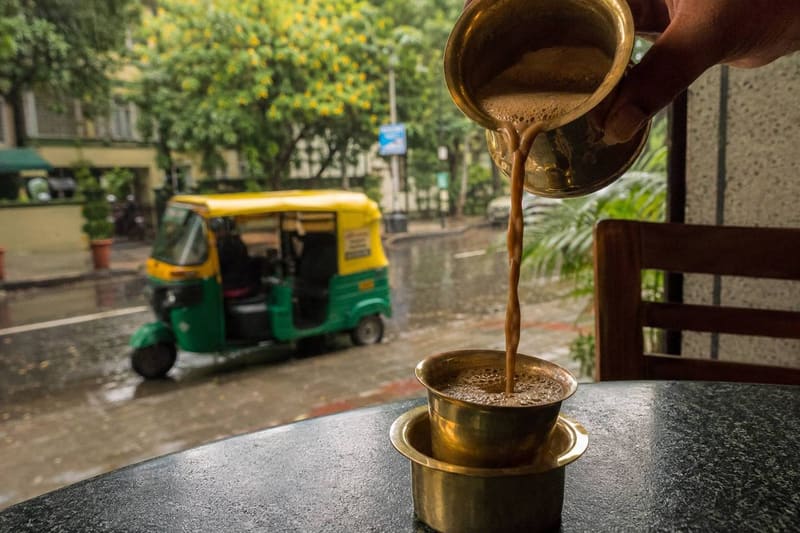
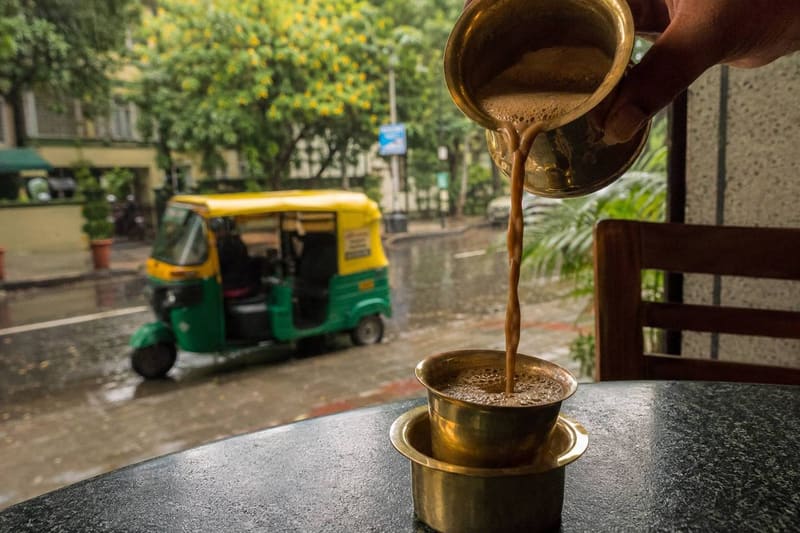
While people in northern India often begin the day with a steaming cup of masala chai, millions in the south start their mornings with traditional South Indian filter coffee.
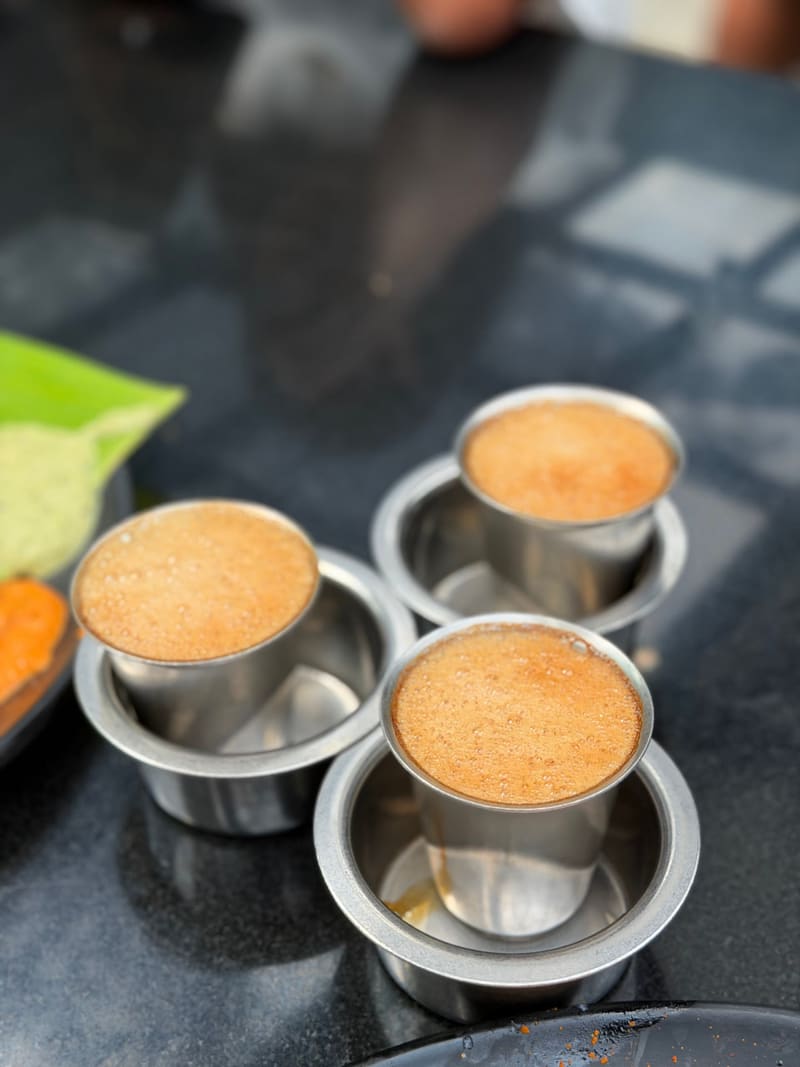
The coffee is brewed in a distinctive two-tier stainless-steel filter using a slow drip method that produces an intensely rich and concentrated decoction. This extract is then blended in carefully balanced proportions with boiling whole milk and cane sugar.
The drink is traditionally served in a small metal tumbler placed inside a wide, shallow bowl called a dabarah.
Perhaps the most captivating part of the ritual is the serving technique. Before taking the first sip, the coffee is poured back and forth several times between the tumbler and the dabarah from arm’s length. This elegant practice serves three important purposes:
-
Perfect blending: The concentrated coffee, milk, and sugar combine into a smooth, silky beverage.
-
Temperature control: The repeated pouring cools the coffee to the ideal drinking temperature.
-
Texture: It creates the signature thick, creamy layer of foam that locks in the coffee’s aroma.
Where to Drink the Best Coffee in India
India’s local specialty coffee industry is so highly developed that global giants like Starbucks appear rather subdued and remain outsiders. Local roasters work directly with plantations, control every stage of production, and set trends that the rest of the world follows.
• Araku Coffee. A premium brand that has earned unquestionable international recognition. Their coffee represents pure biodynamics and ecological artistry. Araku flagship cafés, with their luxurious futuristic design, are now located not only in major Indian cities but also in prestigious districts of Paris and London.
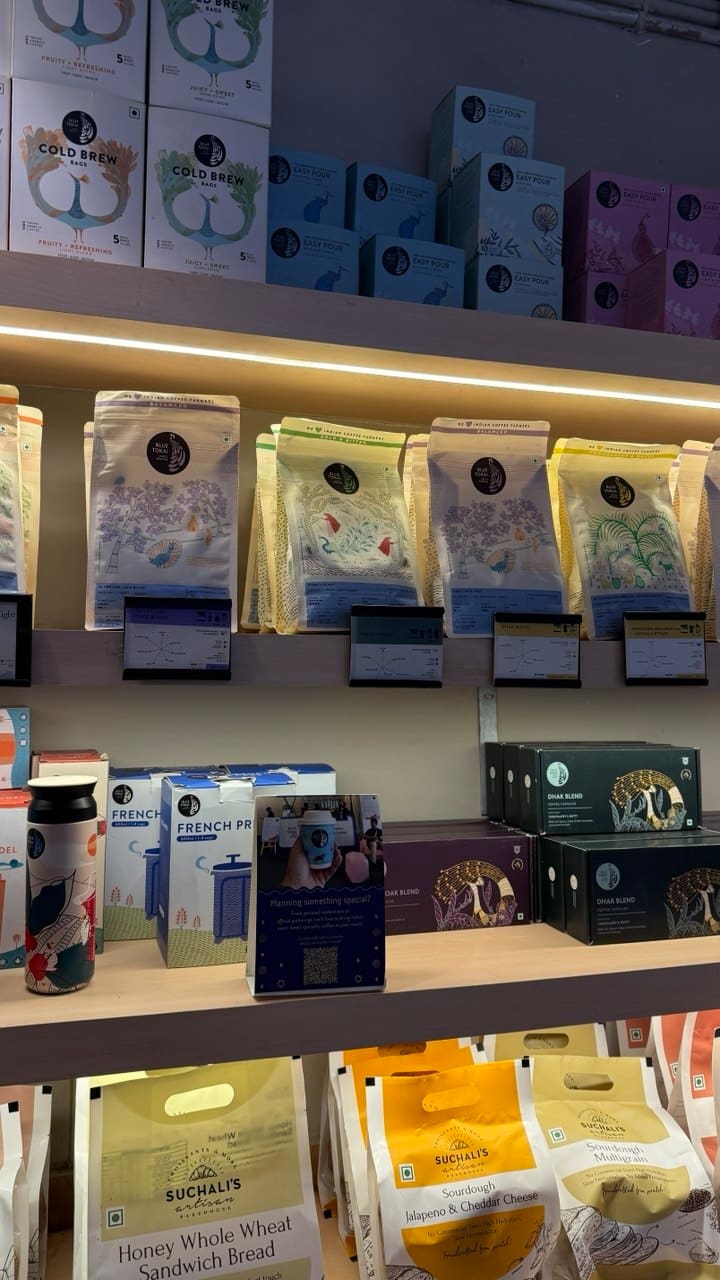
• Blue Tokai. My personal favorite. This company once sparked a real revolution in the Indian market, effectively shaping the third wave coffee culture. They popularized fresh local roasting, introduced a transparent supply chain from specific farms, and maintain consistently benchmark-quality beans in every cup.
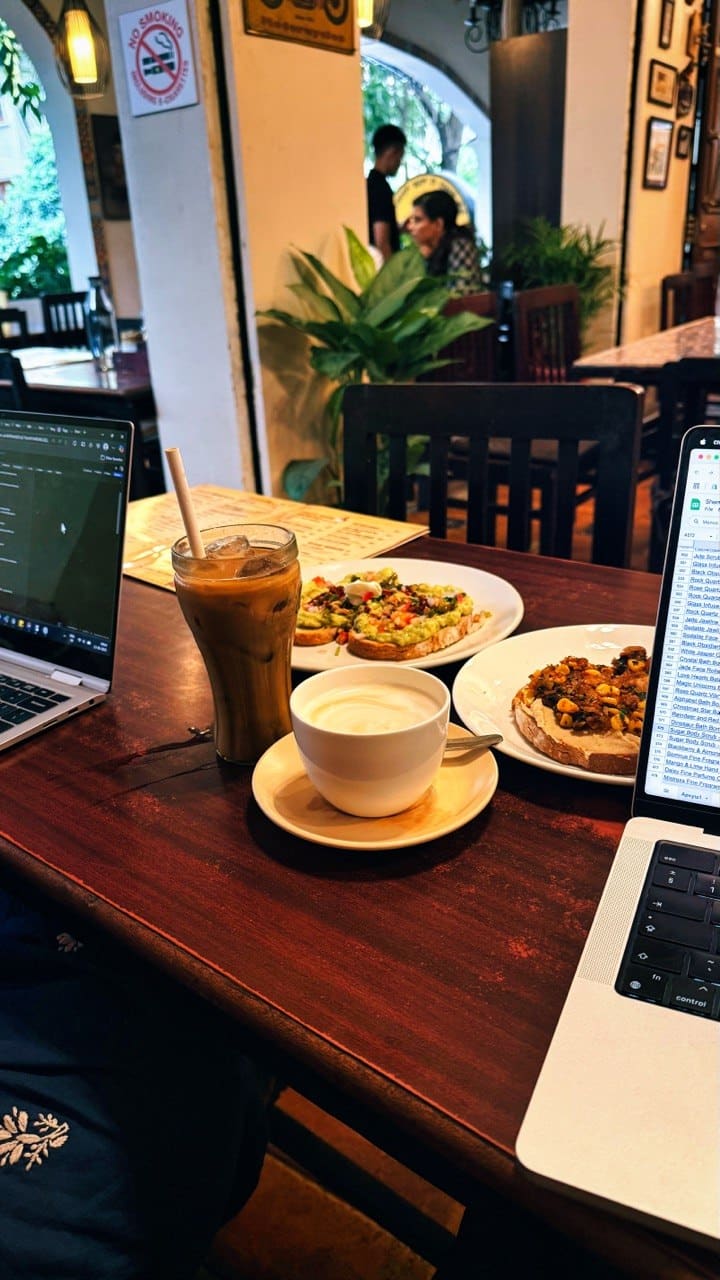
• Third Wave Coffee. A large, rapidly growing chain that has won the hearts of a young and progressive audience. It is known for its refined modern design, excellent work-friendly atmosphere, and consistently high-quality specialty coffee — an ideal place both for a morning espresso and for alternative brewing methods.
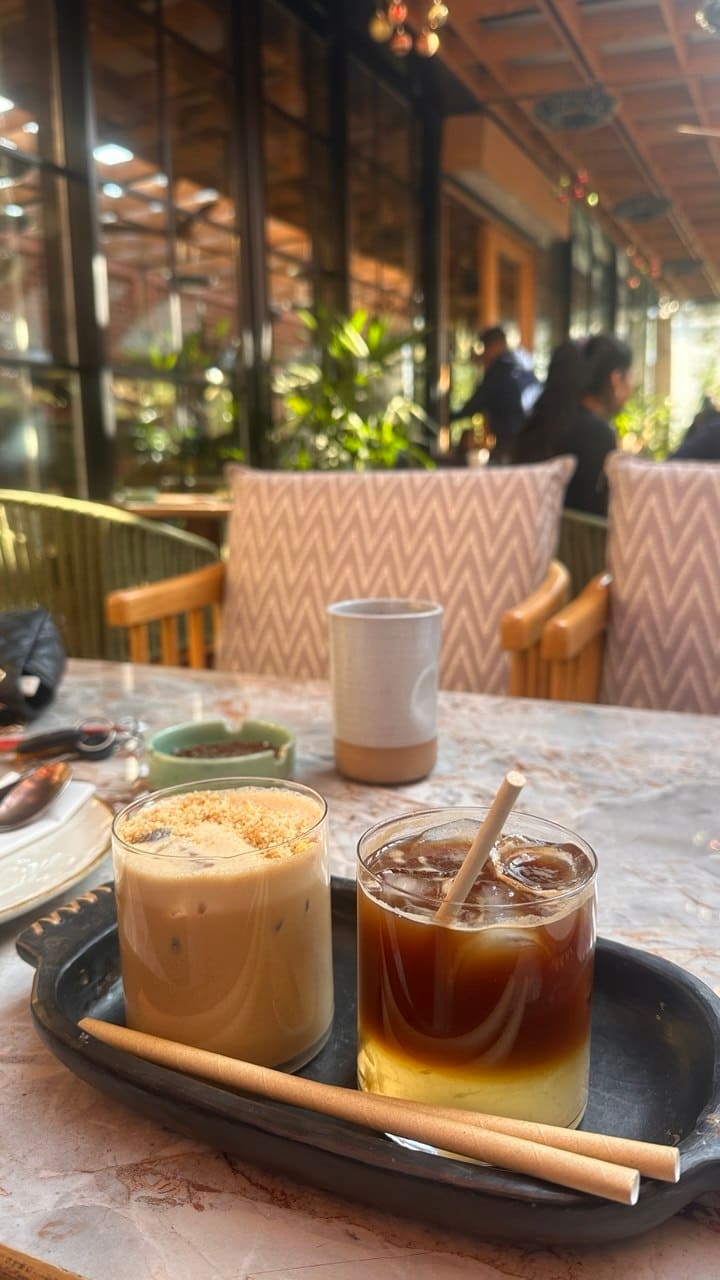
If you are planning a trip to South India, be sure to visit local modern cafés or start your morning with a traditional filter coffee. It is a completely different, contemporary, and gastronomic side of the country.
\