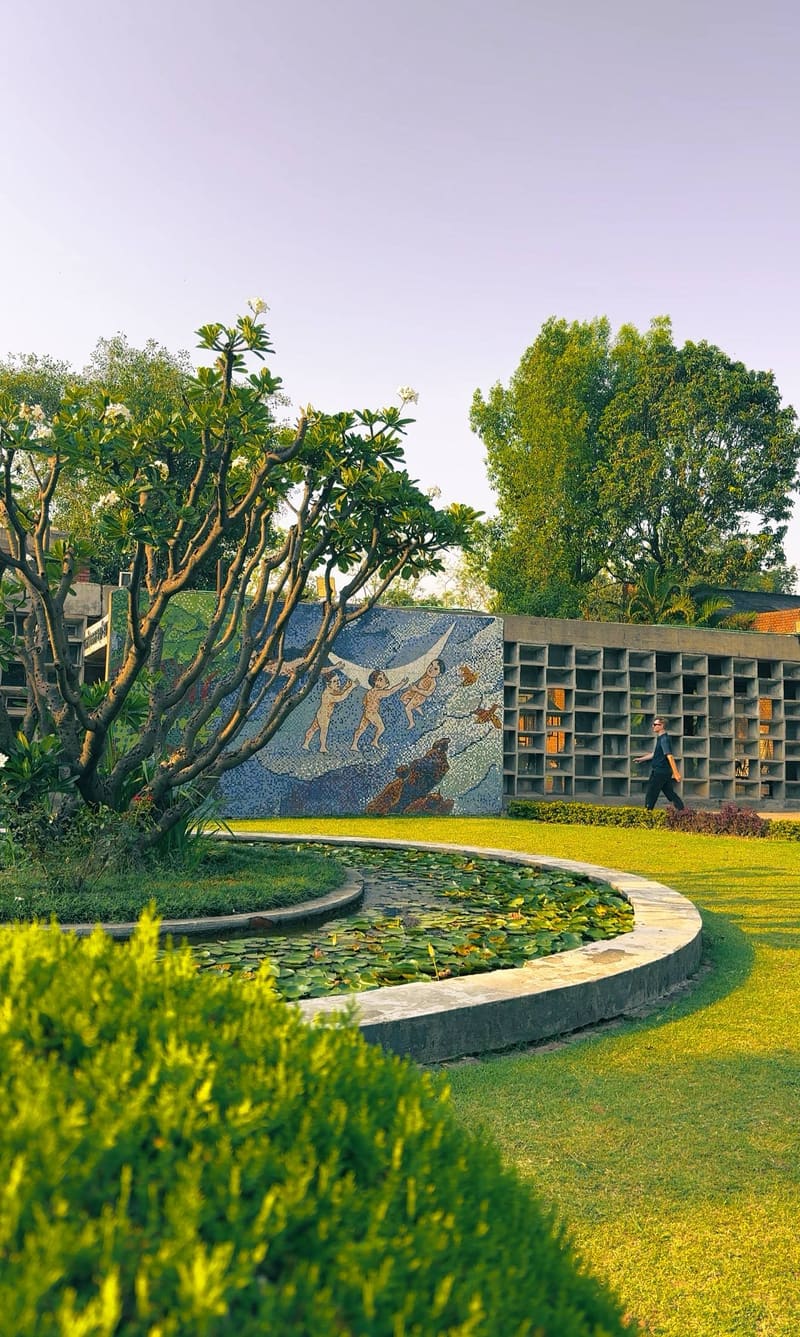
Chandigarh is a true phenomenon of a city, built from scratch right in the jungle at the foothills of the Himalayas according to the design of the French architect Le Corbusier. The city was divided into convenient autonomous districts, where everything necessary for life is within easy reach. It remarkably combines the strict geometry of futuristic concrete buildings and an abundance of wild, vibrant nature.
History of creation and concept
The city was built in the mid‑20th century as the capital of the states of Punjab and Haryana — after the partition of India and Pakistan in 1947, there was an urgent need for a new capital of Punjab. The old city of Lahore went to Pakistan, and Indian Punjab needed a new administrative centre.
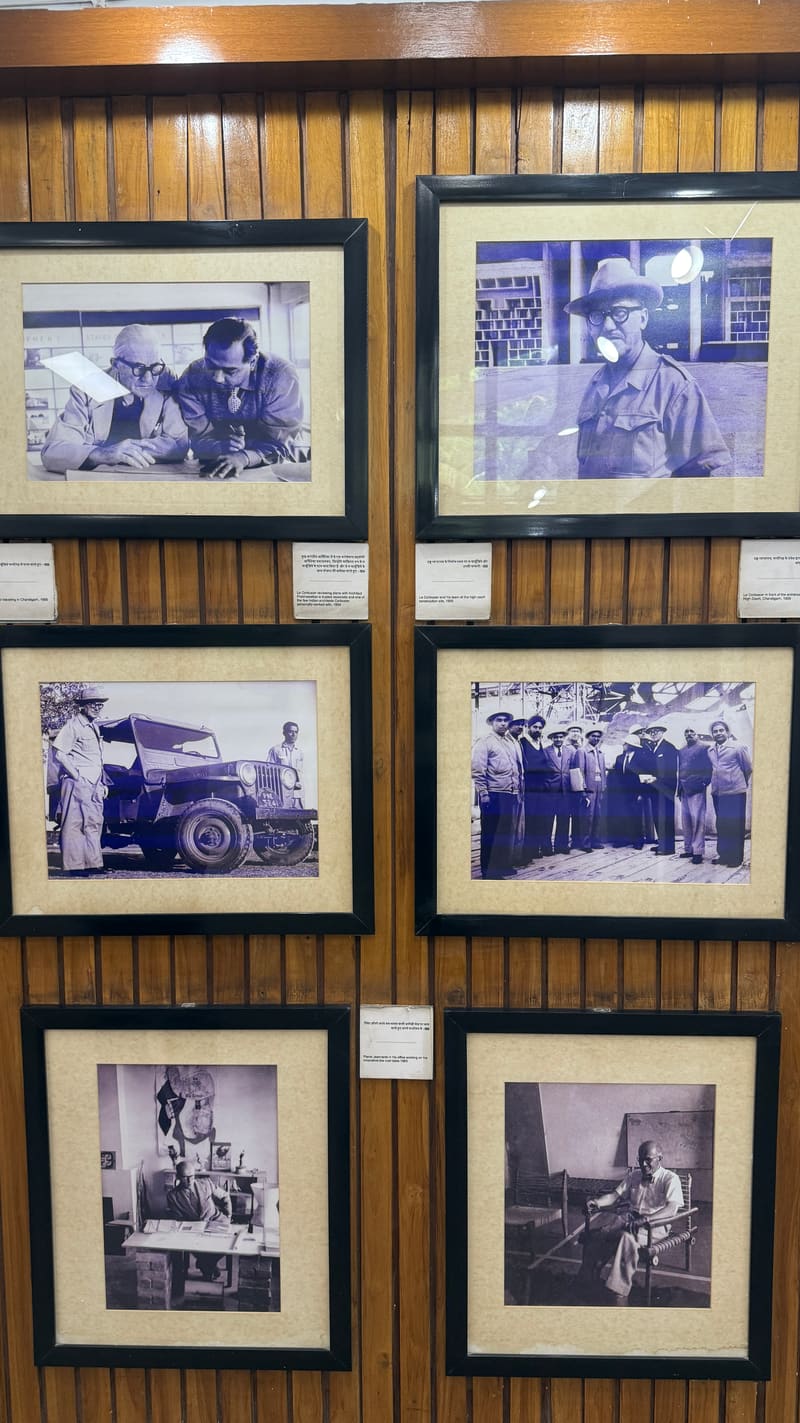
The legendary architect Le Corbusier developed the master plan of the city, designed key buildings and set the philosophy of Chandigarh: spaciousness, light, connection with nature, and harmony of form and function. He was preceded by American architects Albert Mayer and Matthew Nowicki, but it was Le Corbusier who gave the project its finished form.
Unique city structure
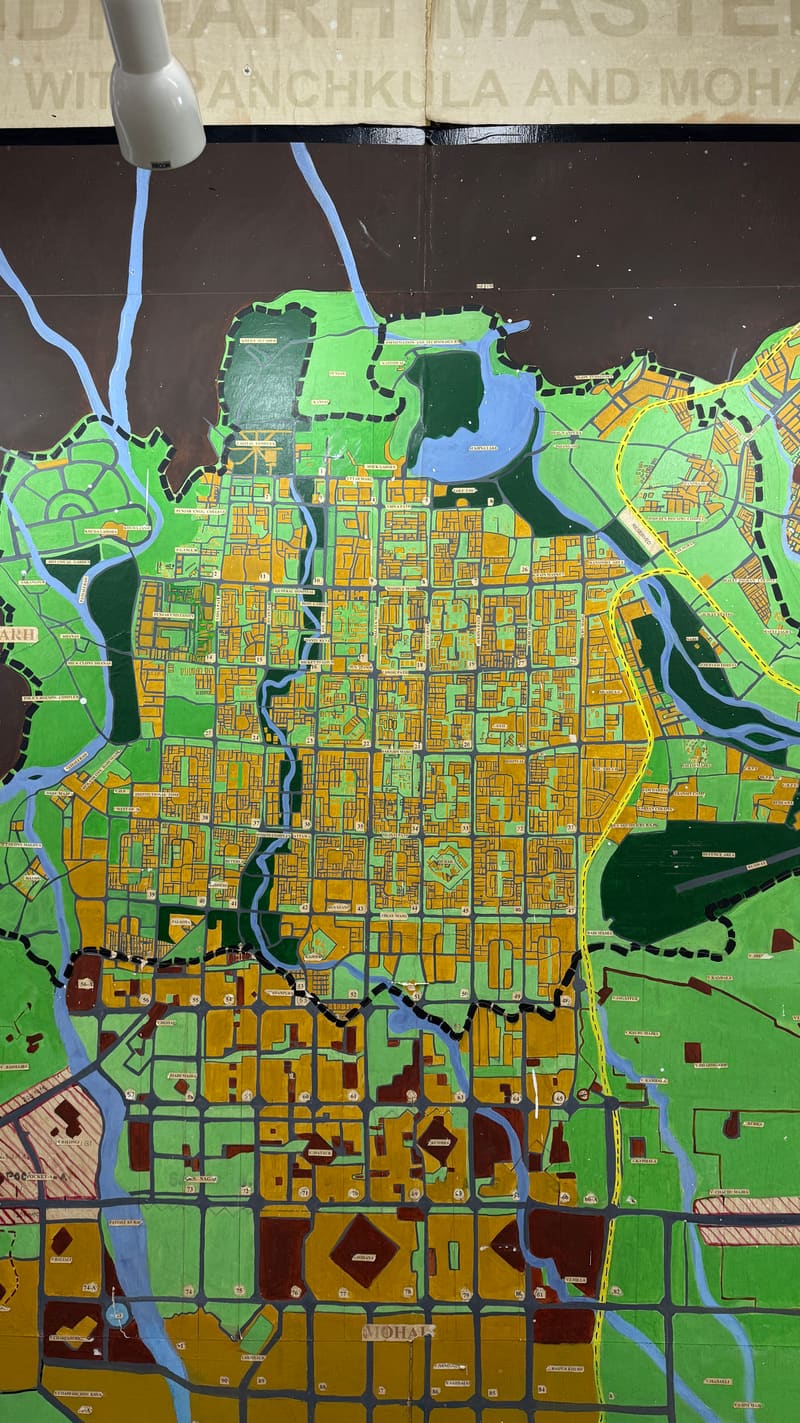
The city is divided into sectors: small self‑sufficient areas with residential buildings, schools, shops and green spaces. In total, Chandigarh has 47 sectors, each of which is a mini‑city with its own infrastructure. This allows residents to live, work and relax within walking distance.
Key principles of the sectoral system:
Autonomy. Each sector has schools, markets, temples/gurdwaras/mosques and clinics.
Hierarchy of roads. To minimise traffic jams, a system of 7 types of roads has been created, including separate routes for bicycles and pedestrians.
Green corridors. Wide strips of greenery are laid between the sectors, serving as natural dividers and recreation areas.
Functional zoning. Industrial zones are located on the outskirts, while residential areas are isolated from noise and pollution.
Architecture: brutalism with an Indian touch
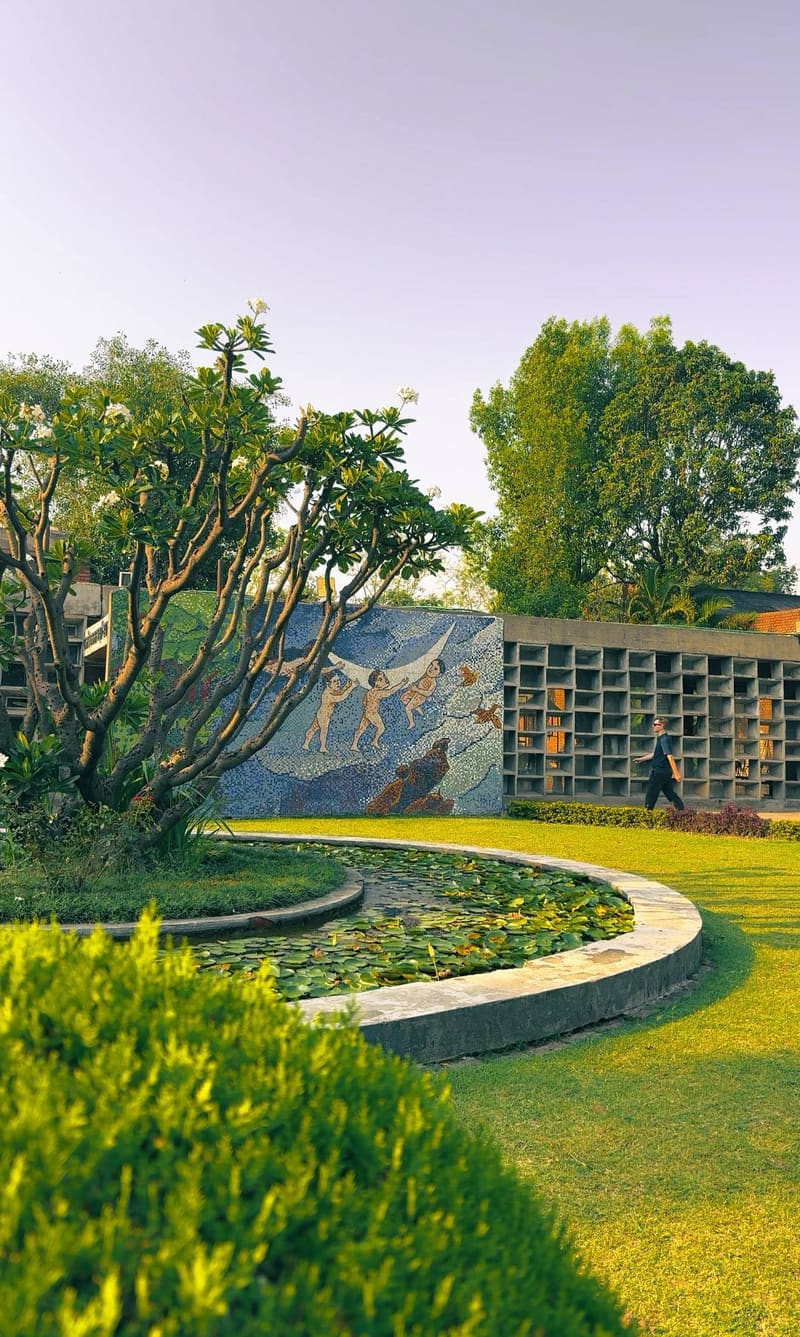
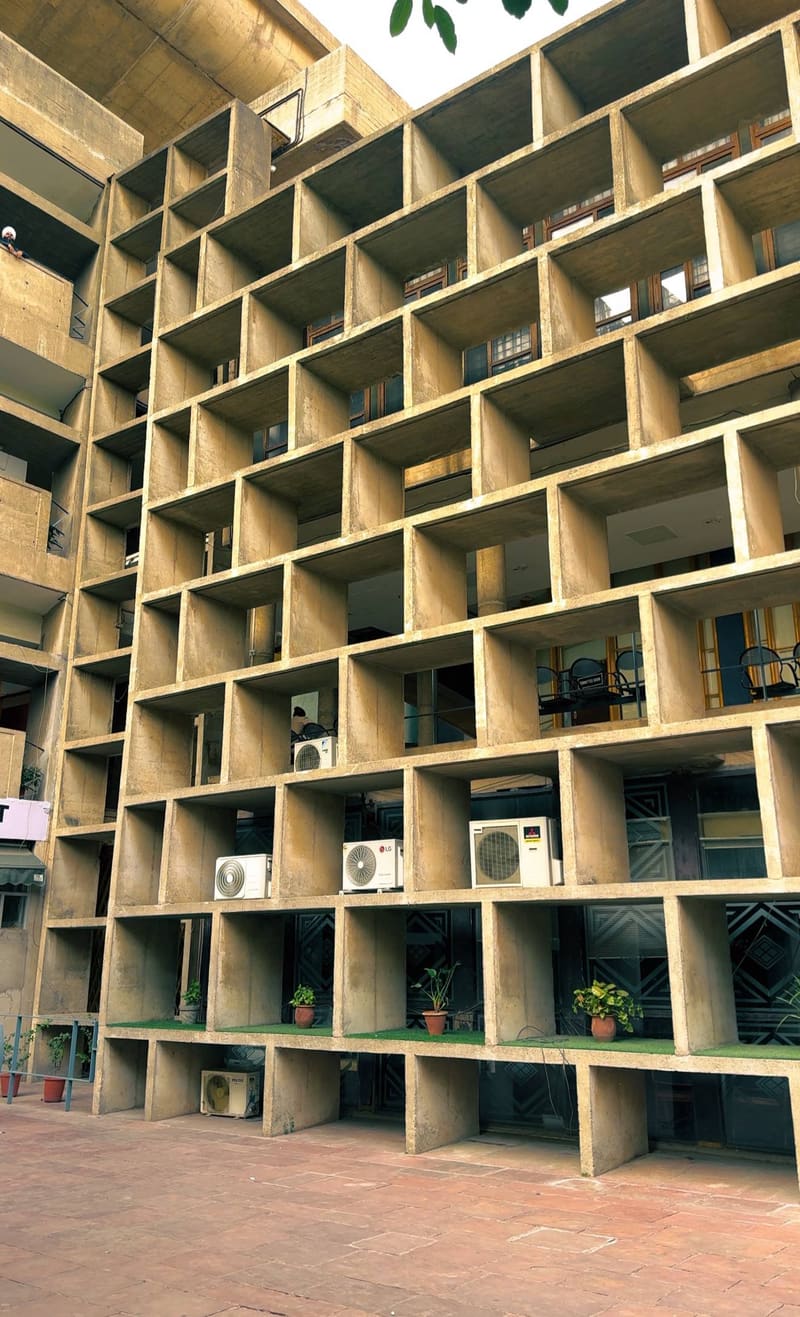
The buildings are designed in the brutalist style, featuring massive forms, concrete facades and thoughtful sunshades. The architecture has become the city’s trademark.
Characteristic features of the architecture:
- raw concrete (béton brut);
- geometric shapes and clean lines;
- sun‑protection elements (grilles, canopies, loggias);
- integration of water and greenery into architectural compositions.
Transport system of the future
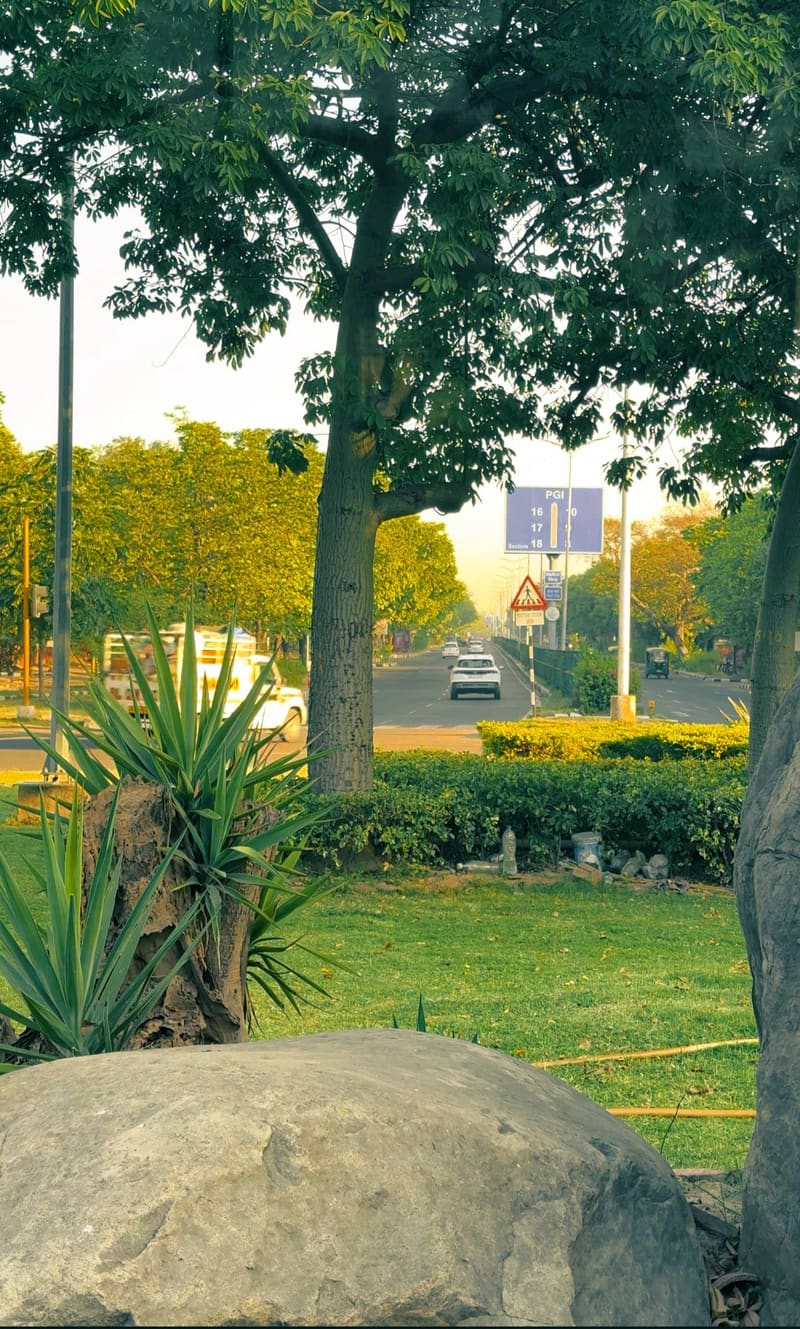
The city features a safe network of cycle paths: they run alongside main roads and within sectors, are separated from car traffic, and connect residential areas with business and recreational zones.
Features of the transport infrastructure:
- 7 types of roads: from high‑speed highways to pedestrian alleys.
- Cycle paths and pedestrian routes form a separate network that does not intersect with car roads.
- Public transport includes modern buses and auto‑rickshaws covering all sectors.
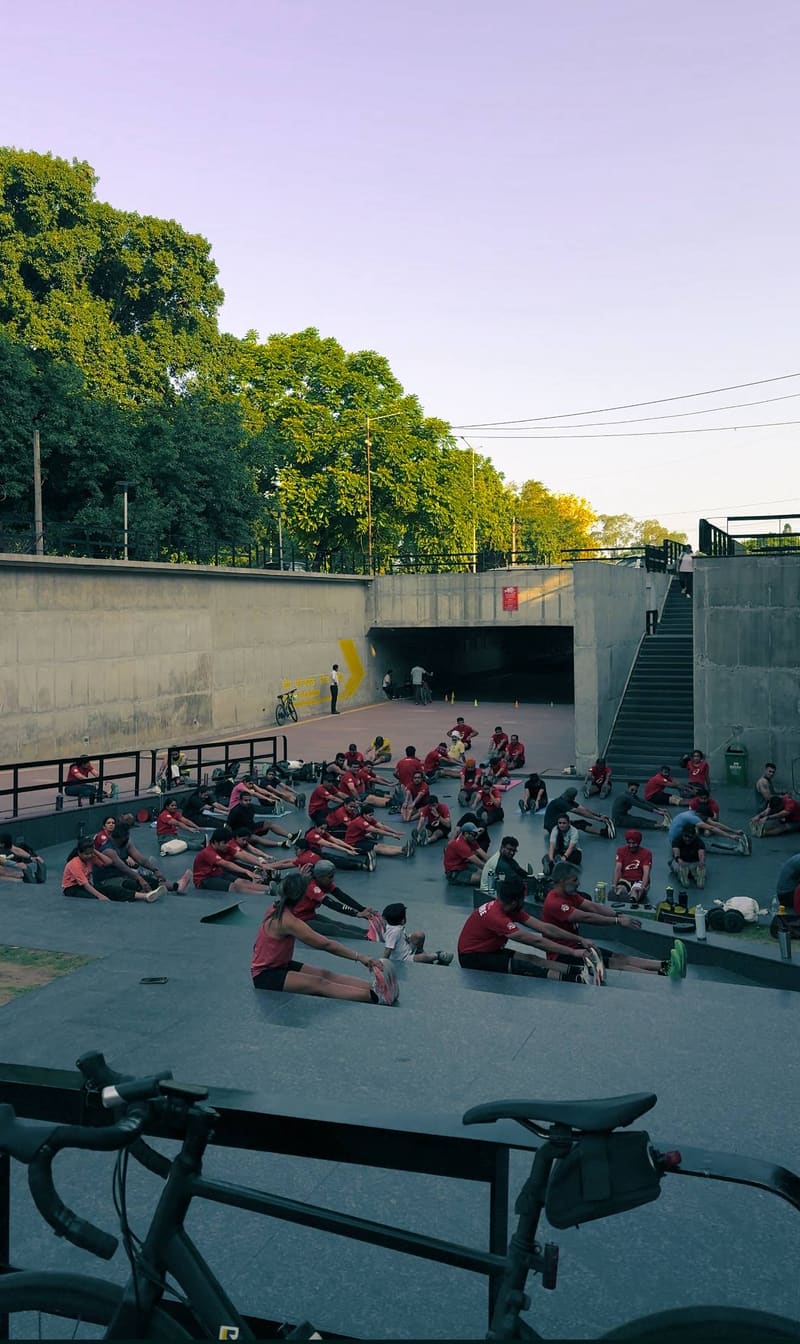
- Priority for pedestrians. Wide pavements, underground crossings and shady alleys make walking comfortable even in hot weather.
«The Beautiful City»: Chandigarh’s green treasures
Chandigarh is known as «The Beautiful City», famous not only for its urban design but also for its extensive green spaces. City gardens range from vast botanical reserves to unique works of art.
Landscape concept:
- Green belt. A protective zone of forests and farmlands has been created around the city to prevent chaotic development.
- Interconnected parks. More than 40 green areas are linked by pedestrian and cycle routes.
- Thematic gardens. Chandigarh boasts more than 15 outstanding thematic gardens, including:
- Rock Garden — a unique sculpture park made from industrial waste, created by former clerk Nek Chand. It features more than 2 000 compositions spread over 40 acres.
- Rose Garden — the largest in Asia, with 1 600 rose varieties and aromatherapy flowerbeds.
- Botanical Garden — a collection of rare plants from the Himalayas and the tropics.
Sukhna Lake — the heart of nature in Chandigarh
My favourite place is Sukhna Lake, a large artificial lake with an area of 3 km², created in 1958 as part of the city’s hydrological plan. It collects rainwater from the surrounding hills and acts as a natural air conditioner for Chandigarh’s climate.
What makes the lake special:
- Jungles by the water. Dense forests of Indian rosewood (Dalbergia sissoo) and flowering bamboo surround the lake.
- Wildlife. The forests are home to large nilgai antelopes (up to 2 m in length), sambar deer, porcupines, and occasionally leopards; there are more than 130 bird species, including flocks of wild peacocks, kingfishers and marsh harriers.
- Park for citizens. A picturesque park stretches around the lake, featuring walking and cycling paths (a 5‑km route), areas for morning jogging and yoga, picnic spots and places to watch sunsets, as well as boat and catamaran rental points.
Chandigarh remains a rare example of a successful urban planning experiment: here, concrete and glass have not displaced nature but have become part of it. The city teaches us that urbanisation can be humane, architecture can be inspiring, and harmony between humans and nature is possible even in a metropolis.